
Specialty

Blogs

How Does Ketamine Therapy Work? A Clear, Compassionate Guide to What to Expect
If you’ve been exploring new options for depression, anxiety, or treatment-resistant symptoms, you may be wondering how does ketamine therapy work and what actually happens during the process. Ketamine has gained attention for its rapid-acting relief and its ability to support people who haven’t responded well to traditional antidepressants. In this guide, we’ll walk through how ketamine therapy works, what sessions look like, how it affects the brain, and how quickly you may notice changes.

How to Choose a Trauma Therapist: What to Look For and What Red Flags to Avoid
If you’re beginning trauma therapy, you may be wondering what to look for in a trauma therapist and how you can tell whether a clinician is truly equipped to support you. Trauma healing requires safety, attunement, and expertise — and choosing the right therapist can make a meaningful difference in your recovery. In this guide, we’ll walk through what to look for, what trauma-informed therapy includes, and the signs of a therapist who may not be a good fit.
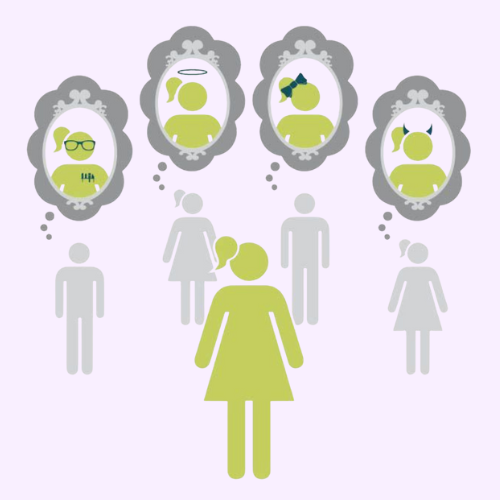
The Partner In Your Head And The Partner In Front Of You: How Past Attachment Wounds Shape Conflict in Relationships
Emotional triggers in relationships happen when present-day interactions activate old emotional wounds, causing us to react to who we fear our partner might be rather than who they actually are. When this happens, we’re often responding to an internal version of our partner shaped by past attachment experiences—not the person standing in front of us.

How Therapy Supports Healing: Understanding How Therapy Helps in the Treatment of Depression
Learn how therapy helps in the treatment of depression, including effectiveness, benefits, and recommended approaches.

Intellectual Bypassing: When Thinking Replaces Feeling
Intellectual bypassing happens when we rely on thinking, fixing, or problem-solving instead of staying with emotions. In this therapy-informed blog, explore how intellectual bypassing shows up in relationships and couples therapywhy offering solutions can unintentionally create emotional distance, and how meaning, presence, and nervous system awareness deepen connection. Learn how this pattern also affects individuals who intellectualize feelings, and discover why presence before fixing supports healthier emotional regulation, communication, and intimacy.

Don’t Complicate the Compliment: Boost Your Relationship This Holiday Season
The holidays can heighten both connection and stress in our relationships, making it easy to fall into negative patterns. This blog explores a simple but powerful couples-therapy principle: increasing small moments of warmth and appreciation. By focusing on genuine, uncomplicated compliments and building a 5:1 ratio of positive to negative interactions, you can shift the emotional climate of your relationship this season.
Polyvagal Theory in Therapy: Understanding and Regulating Your Nervous System
Discover how Polyvagal Theory can help you understand and regulate your nervous system. Learn to recognize when you’re in fight, flight, or shutdown states, and explore tools to move toward safety, connection, and emotional resilience.

Feeling Stuck? How Ketamine Therapy Helps the Brain Break Free
Ketamine-Assisted Psychotherapy (KAP) offers a modern, evidence-based path to healing for those feeling emotionally stuck. In a safe, supportive setting, KAP helps the brain open to new perspectives—fostering emotional flexibility, self-connection, and lasting change.

Why Can’t I Get 8 Hours? Cognitive Behavioral Therapy for Insomnia (CBT-I)
Discover how Cognitive Behavioral Therapy for Insomnia (CBT-I) can help you fall asleep faster, stay asleep longer, and wake up feeling restored. Learn how CBT-I therapy addresses the root causes of insomnia—like racing thoughts and sleep anxiety—so you can build healthy sleep habits and finally get the rest you need.

ADHD Couples Therapy: Healing Relationship Challenges & Building Empathy
Discover how ADHD couples therapy helps partners understand ADHD-related challenges like executive dysfunction and emotional dysregulation. Learn how emotionally focused therapy fosters empathy, connection, and healing in relationships where one or both partners have ADHD.