The Partner In Your Head And The Partner In Front Of You: How Past Attachment Wounds Shape Conflict in Relationships
Emotional triggers in relationships happen when present-day interactions activate old emotional wounds, causing us to react to who we fear our partner might be rather than who they actually are.
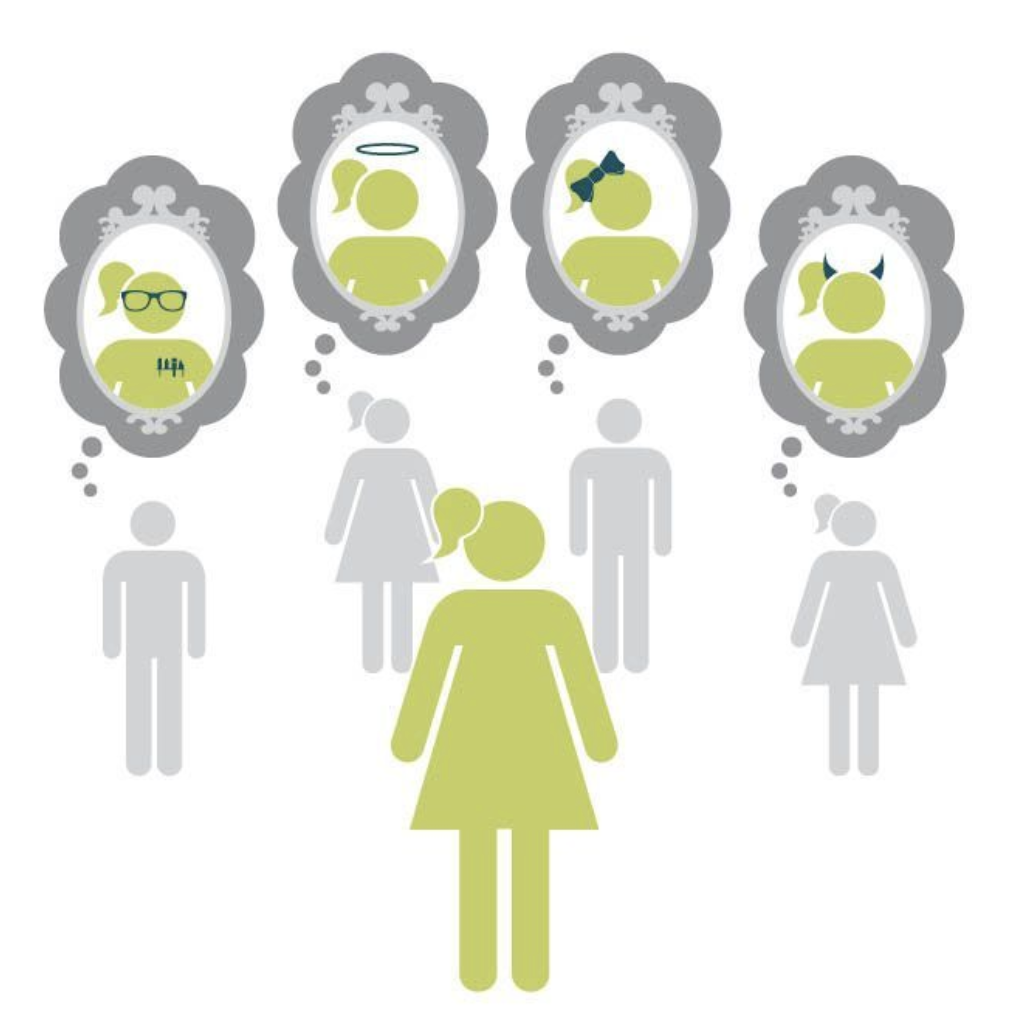
When this happens, we’re often responding to an internal version of our partner shaped by past attachment experiences—not the person standing in front of us.
In any relationship there are always more than two people present. This is something a veteran couples therapist said to me over dinner last week. In his eyes there’s you, your partner, and the relationship. Each of these needs attention.
I would extend this idea further and say there are often at least four people present—because it’s not always clear whether we are talking to the partner in front of us or the partner in our heads.
Why emotional triggers in relationships aren’t really about the present
Object Relations: How early attachment relationships shape how we relate
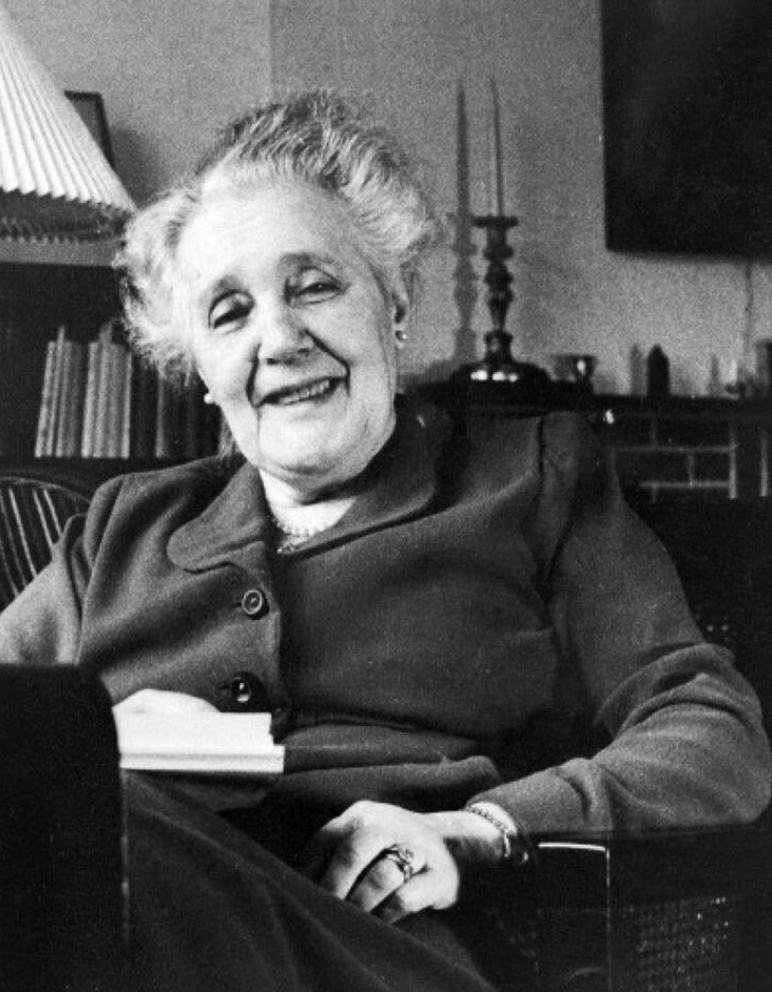
Throughout the 1920s and 40s, psychologists like Melanie Klein wrote about how foundational relationships leave lasting imprints. These imprints—called internal object representations—shape how we make sense of the world and how we build relationships.
Object relations theory suggests that our internal representations of attachment figures are just as powerful as the real people themselves. In other words, it’s not only how the people in our lives show up for us—but how we remember, experience, and carry them internally—that continues to shape our emotions, relationships, and sense of self.
We don’t attach or relate in a present vacuum. We relate in reference to all of our prior experiences.
How past experiences shape emotional triggers in relationships
All of us think in mental models. Talk to someone who lived through a famine and the way they experience the world will be radically different from someone who grew up with relative security.
Relationships work the same way.
For example:
Someone who has experienced infidelity may become hyper-attuned to signs of betrayal
A neutral text from a coworker can suddenly feel threatening
A small interaction can lead to a disproportionate emotional reaction
So let’s recap. Our past experiences color how we interpret present relationships. Because of this, when we respond to our partner’s actions, we are often responding to who we worry our partner may be.
This is the core of emotional triggers in relationships: we’re engaging with both the real partner and an imagined version shaped by our history.
The core negative image: how emotional triggers escalate conflict
You and your partner are always interacting with each other, real and imaginary. This is great when the imaginary you is positive but often it’s not the case. This is what renowned couples therapist Terry Real calls Core Negative Image. According to Real, the core negative image is an internal picture we hold of our partner when we are triggered, it is a fear-based story shaped by past attachment wounds rather than the present relationship.
What Core Negative Image is:
It’s the story your nervous system tells about your partner in moments of threat
It’s usually formed from past attachment wounds, not the present relationship
It collapses your partner into a one-dimensional, negative character
What a Core Negative Image Sounds Like
“They don’t care about me.”
“They’re just like everyone else who’s let me down.”
“I can’t trust them.”
“I’m alone again.”
Core Negative Image: The Evil Troy and Evil Abed Theory of Relationships
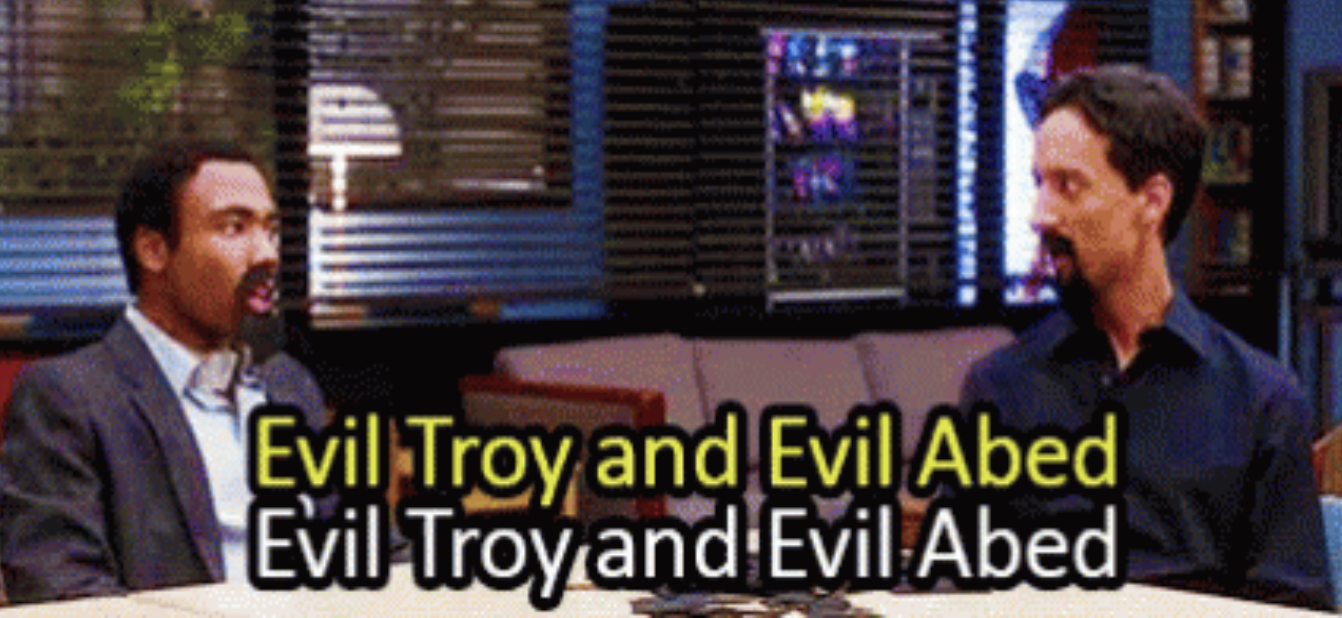
I think of it this way: There are two Me’s in my partner’s head at all times. There is the real me and an evil me. To help me make sense of the two, the evil me has a goatee. If you’ve ever watched Community, think Evil Troy and Evil Abed.
How couples can work with emotional triggers (without denying reality)
Once we understand that we’re often reacting to an internal image rather than the present moment, both partners have responsibility.
My partner’s job:
Remember that I’m not the unsafe or “evil” version their nervous system is reacting to
Stay curious about when that image gets activated
This isn’t always easy—or fully possible. Importantly, core negative images are often partially rooted in reality. The work isn’t denying them, but understanding how they shape the interaction.
My job:
Identify which behaviors reinforce that negative image
Actively show up as the real version of me
Repair moments when I confirm old fears
So let’s imagine a scenario.
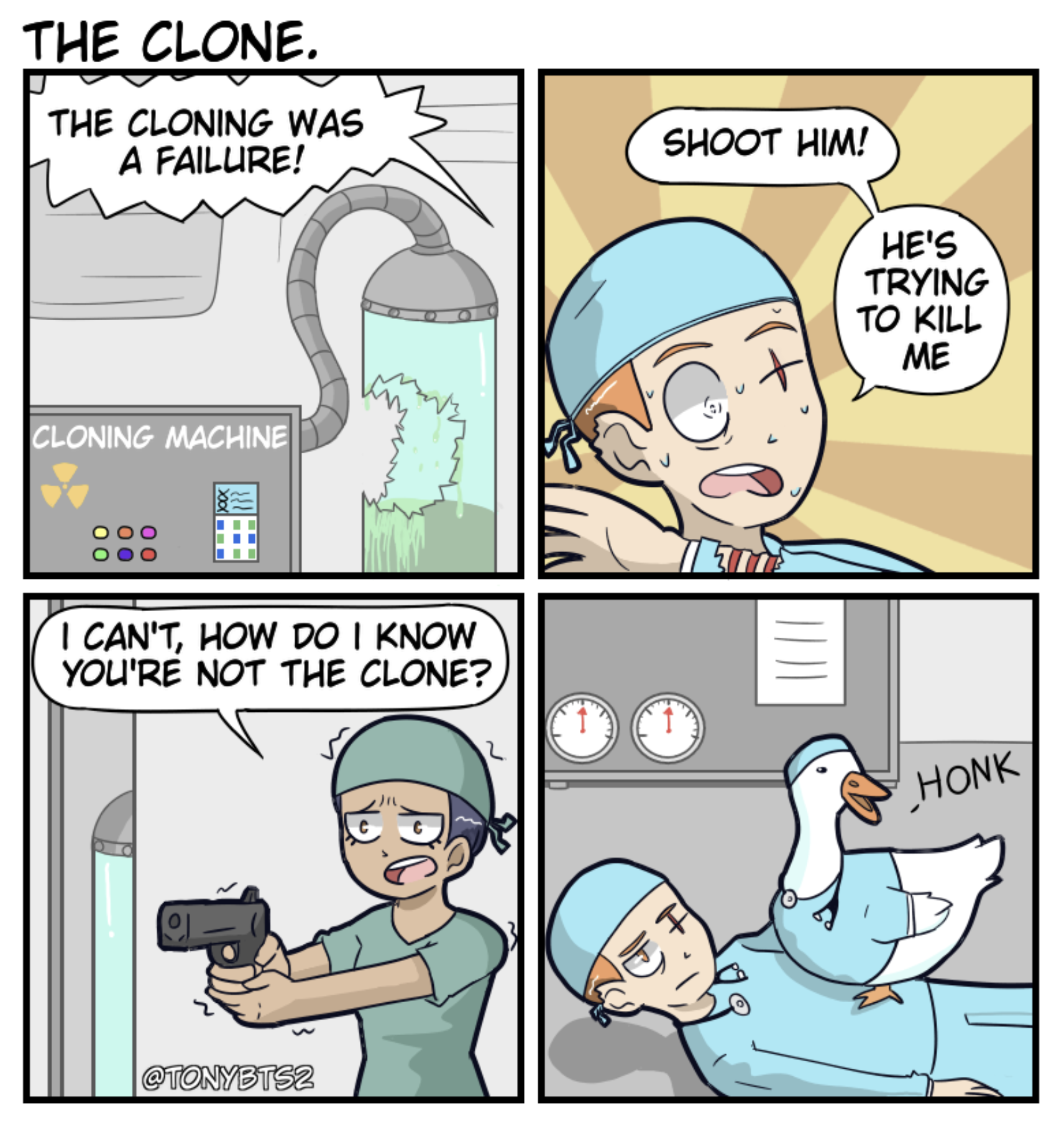
Let’s say that in your family people were hypercritical and judgmental. For your parents nothing was ever good enough. Now you find yourself dating someone who is opinionated and outspoken. Some days you love this about your partner but today you’ve had a tough day at work, your train back was crowded and delayed (a norm for New York City) and instead of greeting you when you get home your partner tells you that you forgot to pick up milk.
My guess is your partner is sporting a pretty evil goatee at this moment.
Choosing curiosity over defense when triggered
The takeaway here isn’t that your partner is wrong or overreacting. It’s that on hard days, old family dynamics can sneak into the present and quietly take over. In those moments, your partner may not be responding to what you just said or did, but to a much older fear about who you might be. When we can recognize this, we’re less likely to escalate or defend ourselves and more likely to pause and ask, What does my partner need right now to feel safe with me? That shift from proving we’re right to helping our partner feel secure can change the entire direction of the interaction.
Good days, bad days, and emotional regulation
When we feel good we often view our partners in a positive light. When we feel bad, well it’s really easy to get caught up in all of the bad. To be honest this is a hard concept in couples therapy, but it’s one that really gets stuck in my head.
This is a challenging concept in couples therapy, but a powerful one. Understanding when your partner is responding from fear (rather than fact) helps clarify:
What they need
What you can realistically give
When repair matters more than explanation
Frequently asked questions about emotional triggers in relationships
What is an example of an emotional trigger in a relationship?
An emotional trigger might be a partner’s tone, criticism, or withdrawal that activates past experiences of rejection, abandonment, or shame—leading to a reaction that feels bigger than the situation itself.
Why am I constantly triggered by my partner?
Frequent triggering often points to unresolved attachment wounds, chronic stress, or unmet emotional needs. It doesn’t mean your relationship is broken—it means your nervous system is overwhelmed.
How can I emotionally regulate when triggered?
Helpful strategies include:
Pausing before responding
Naming the trigger internally (“This feels familiar”)
Grounding through breath or body awareness
Returning to the conversation once your nervous system settles
Research shows emotional regulation skills significantly improve relationship satisfaction (Gottman & Silver, 2015).
What are the four behaviors that damage relationships?
According to Dr. John Gottman, the four most damaging behaviors are:
Criticism
Contempt
Defensiveness
Stonewalling