
Specialty

Blogs
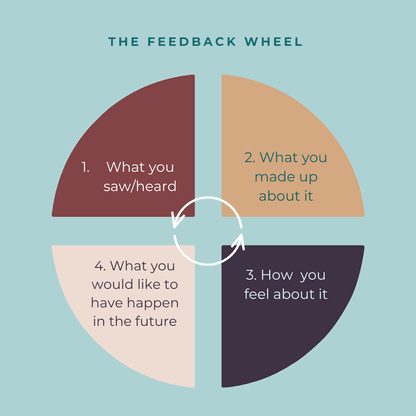
The Feedback Wheel in Relational Life Therapy: How to Have Difficult Conversations Without Getting Stuck
Learn how the Feedback Wheel from Relational Life Therapy (RLT) can help couples communicate more effectively, navigate difficult conversations, reduce defensiveness, and strengthen connection through clear, actionable feedback.

10 Money Conversations Every Couple Should Have Before the Next Big Fight
Most money fights aren't really about money. Learn 10 meaningful conversations every couple should have to improve communication, build trust, and strengthen their relationship.

The Small Moments That Make or Break Relationships: Understanding Bids for Connection
Most couples don't come to therapy because of one giant catastrophic event. More often, they arrive feeling disconnected after months or years of small missed moments — what relationship researcher John Gottman calls "bids for connection." A bid can be as subtle as a sigh, a shared meme, or asking "do you think we're okay?" Understanding how to recognize and respond to these bids may be the most important skill in any relationship.
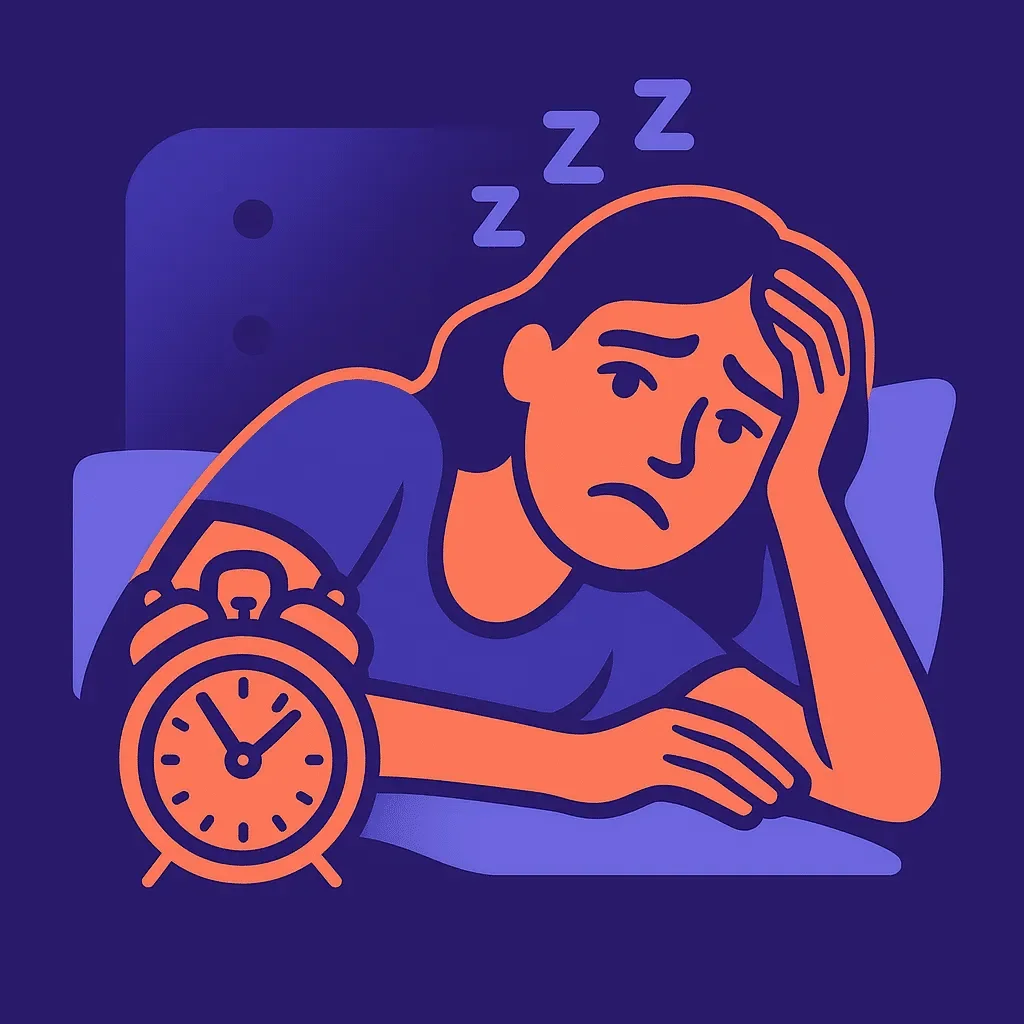
Why Trying to “Catch Up” on Sleep Usually Doesn’t Work
Trying to catch up on sleep after a bad night can actually worsen insomnia. Learn how CBT-I therapy in NYC helps restore natural sleep without the cycle of oversleeping and burnout.

ACT Therapy for Phone & Internet Overuse: A Different Way to Understand the Habit
Struggling with compulsive phone use, endless scrolling, or feeling constantly distracted? Learn how Acceptance and Commitment Therapy (ACT) can help you better understand phone overuse, manage urges, and build a more intentional relationship with technology.
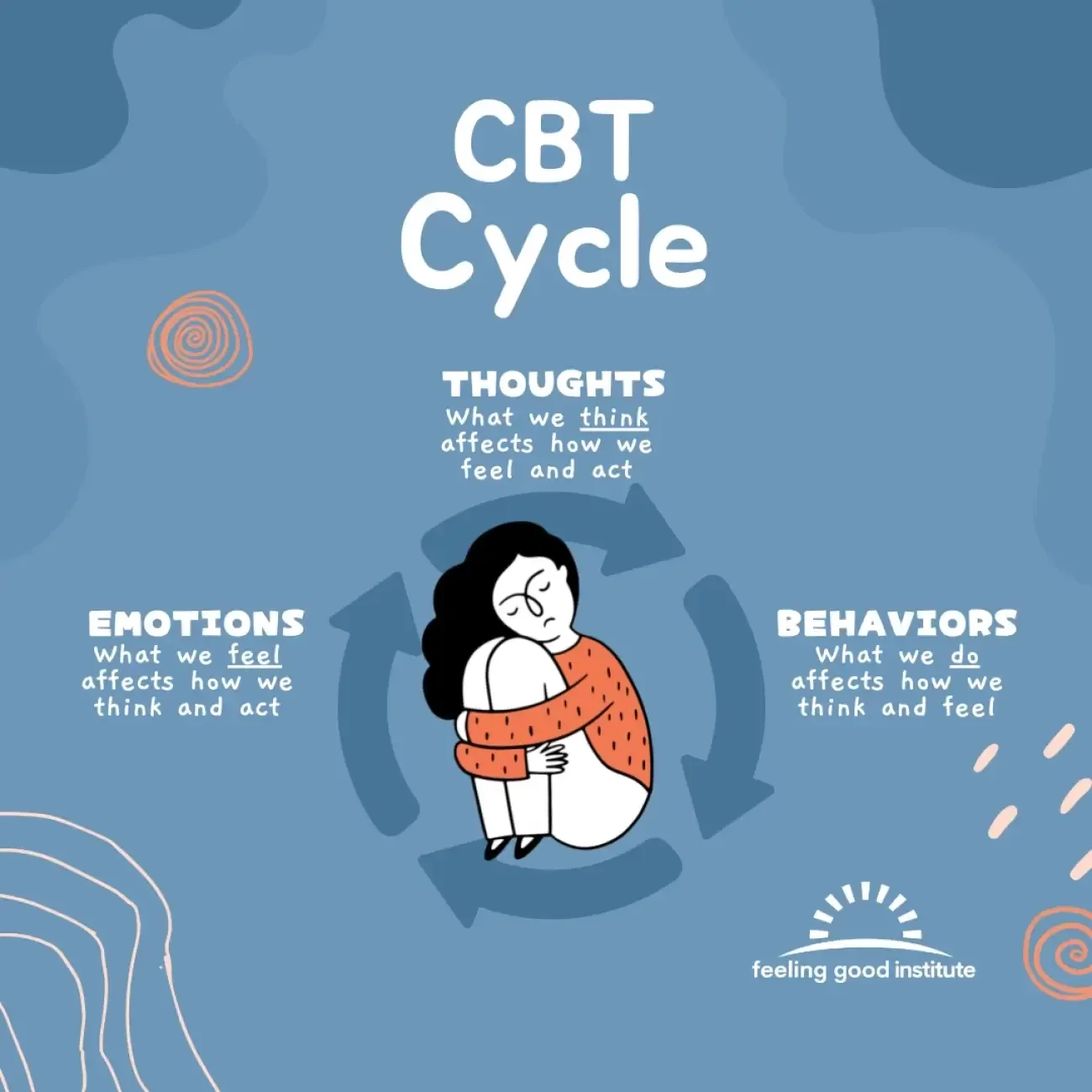
A Simple Thought Record: How to Slow Down Anxious Thinking (and Actually Change It)
Learn how to use a CBT thought record to slow down anxious thoughts, challenge cognitive distortions, and stop overthinking with a simple, practical tool.

ADHD, Avoidance, and the First Step Toward Change: An ACT Perspective
Avoidance is one of the most common yet misunderstood patterns in adults with ADHD. In this blog, we explore how avoiding uncomfortable thoughts and feelings can quietly disconnect people from their values—and how Acceptance and Commitment Therapy (ACT) helps adults with ADHD reconnect with what matters and take meaningful action.

When Love Isn’t the Problem: Understanding Mismatched Values in Relationships
Mismatched values are one of the most common yet overlooked causes of relationship conflict. In this blog, we explore how differences around family, work, independence, loyalty, and emotional priorities can quietly create resentment over time — and how couples therapy in Brooklyn and NYC can help partners clarify their core values, improve communication, and build a more intentional, aligned relationship.

How Relational Life Therapy Helps Couples Build Lasting Intimacy Beyond Valentine’s Day
Relational Life Therapy (RLT) helps couples build lasting intimacy by improving communication, emotional maturity, and nervous system awareness. Valentine’s Day often exposes unspoken expectations, attachment wounds, and relationship patterns that lead to resentment, disconnection, or conflict. RLT couples therapy teaches partners how to move beyond mind-reading and criticism into clear, direct communication that strengthens emotional safety and trust. This approach is especially helpful for couples navigating ADHD, executive functioning challenges, or recurring cycles of hurt and repair. By learning to access the Wise Adult instead of reacting from old survival patterns, partners can communicate needs openly, repair disconnection, and deepen emotional closeness. At Mindful Self Therapy in Brooklyn, couples therapy focuses on helping partners regulate their nervous systems, understand relational patterns, and build secure, connected relationships. True intimacy isn’t created through grand gestures—it grows through clarity, vulnerability, and consistent emotional presence in everyday moments.

ADHD Therapy, Purpose, and Change: What Alfred Adler Got Right (That Freud Didn’t)
Many people understand themselves well and remain stuck. This is especially true in ADHD therapy, where clients are often highly self-aware yet continue to struggle with follow-through, regulation, and shame.
This question sits at the center of my work providing ADHD-informed therapy in New York City.