

EFT Couples Therapy NYC
Emotionally Focused Therapy (EFT) for couples in NYC helping partners repair disconnection, rebuild trust, and strengthen emotional bonds. EFT is an evidence-based approach designed to transform negative communication cycles and create lasting relational security.
Why Does It Feel Like You and Your Partner Keep Missing Each Other?
Maybe things feel distant between you and your partner. You’re trying to talk, but it turns into another argument or quiet withdrawal. Maybe the spark feels dimmer, and you can’t pinpoint when or why it shifted. Or maybe things aren’t collapsing, but they aren’t fulfilling either — you’re functioning, but not flourishing.
EFT couples therapy creates a space to slow down, understand what’s happening beneath the surface, and begin rebuilding. It’s not about fixing one partner or deciding who’s to blame. It’s about understanding yourselves, each other, and the emotional patterns shaping your dynamic.
Quick Facts:
Who It’s For: Couples experiencing recurring arguments, emotional distance, trust ruptures, or difficulty communicating
Common Concerns: Communication breakdowns, attachment wounds, recurring conflict cycles, emotional withdrawal, infidelity recovery, and anxiety within relationships
Approaches Used: Emotionally Focused Therapy (EFT), attachment-based couples therapy, and structured work to identify and shift negative communication patterns

If you’re feeling disconnected, misunderstood, or unsure how to approach tough conversations, EFT offers a clear, compassionate pathway back to each other.
Is EFT effective for couples therapy?
Yes. EFT couples therapy is one of the most evidence-based, effective, and long-lasting treatments for relationship distress.
EFT focuses on the emotional patterns beneath conflict — the fears, needs, and longings that shape how partners reach for each other… or pull away. Instead of just teaching communication skills, EFT helps you understand your deeper cycle, the one making you feel like you keep having the same argument over and over.
In EFT couples therapy, you will:
Identify the emotional “dance” you get stuck in
Understand the softer feelings underneath your reactions
Create new experiences of safety, vulnerability, and closeness
Learn how to respond to each other with empathy rather than defensiveness
Build a stronger, more secure bond
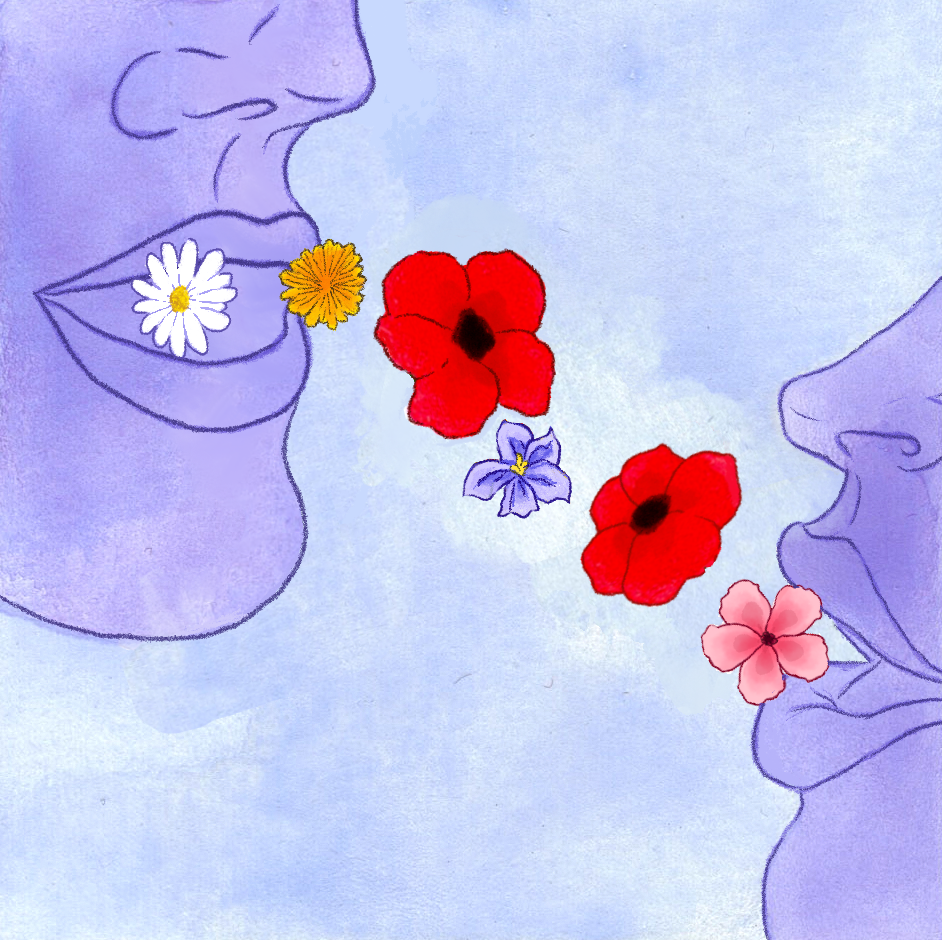
Couples often describe EFT as the first time they actually feel understood by each other.
What are the stages of EFT for couples?
EFT follows three intentional, research-supported stages that help partners shift from disconnection to emotional security.
You’ll identify your cycle — the repeated loop that triggers conflict or withdrawal. This isn’t about blame; it’s about understanding the pattern that traps you both.
In this stage, you learn:
What happens in your pattern
Why you each get activated
How fear, shame, or loneliness drive reactions
How to see the cycle as the problem — not each other
Stage 1: De-escalation
Stage 2: Restructuring
Partners begin sharing deeper emotions in ways that feel safer and more authentic. This is where new emotional experiences start to form.
Here you practice:
Expressing needs clearly
Staying open instead of shutting down
Listening without defensiveness
Creating connection rather than distance
Stage 3: Consolidation
Your new bond becomes more natural and secure. Arguments feel less explosive, repair becomes easier, and intimacy deepens.
This stage helps you:
Integrate new communication patterns
Rebuild trust
Sustain closeness outside the therapy room
Whatever brought you here, it matters. And it’s worth paying attention to.
What is the success rate of EFT couples therapy?
EFT is one of the most effective couples therapy models available today.
Research shows:
70–75% of couples move from distress to recovery
90% show meaningful improvement in connection, communication, and emotional closeness
Gains are long-lasting, often maintained years later
Why does EFT work so well?
Because it doesn’t treat surface behaviors — it treats attachment, the core emotional wiring that shapes how you love, communicate, and respond to stress. When partners feel safer with each other, everything else begins to shift.

How long is EFT couples therapy
The length of EFT couples therapy varies, but most couples complete the process in 8–20 sessions, depending on:
The intensity of your cycles
Any attachment injuries or past ruptures
How comfortable you feel being vulnerable
Whether you’re navigating a major transition (new baby, move, infidelity, grief, etc.)
Some couples come for a few months to navigate a transition. Others stay longer to deepen connection, integrate new patterns, and heal longstanding wounds. We’ll find the right pace together.
FAQ About Couples Therapy
What if my partner isn’t sure about therapy?
That’s completely normal. Often, one partner is more open than the other at first. We can talk about how to approach the conversation, and what makes therapy feel safe for both of you.
Do we have to be in crisis to start therapy?
No. Many couples come in simply wanting to reconnect or prevent deeper issues from growing. Therapy is just as much about maintenance as it is about healing.
How long does couples therapy take?
It depends on what you're hoping to work through. Some couples come for a few months to navigate a transition, while others commit to deeper work over time. We'll figure that out together.
Do you offer LGBTQIA+ and non-traditional relationship support?
Absolutely. We provide inclusive, affirming therapy for all couples, queer, non-monogamous, culturally diverse, and everything in between.
How EFT Couples Therapy Works
Consultation: Explore relationship concerns and goals
Assessment: Identify recurring conflict patterns
Cycle Mapping: Understand emotional triggers and attachment fears
Corrective Emotional Experiences: Practice new vulnerability and responsiveness
Integration: Strengthen secure bonding
Frequently Asked Questions
-
Yes. EFT is often used to repair attachment injuries and rebuild trust following betrayal.
-
Individual: $160-$200
Couples Therapy: $180-$225
We try to offer reduced rates when we can. Please reach out to see if those slots are available and indicate what your max rate would be.
If you are interested in a reduced rate please use the Sliding Scale Image below to help guide you.
-
Therapy is a wonderful place to start or continue your healing process. The first 3-4 sessions are usually focused on getting to know you, your history, your presenting concerns and collaborate on a treatment plan. From there, we move at your own pace and start to unpack whatever you bring into session.
-
We are touring musicians, which means that there will be periods of time where our availability and accessibility shifts. We are best suited for clients who have flexible schedules and who are comfortable with possible pauses in treatment. We can discuss in more detail on our consultation call
-
In person and virtual sessionl are both available but are the in-person slots are limited. Please inquire if you’d like in person to see if any in-person sessions are open.
-
There is a 48 hour cancellation policy. f you cancel with less than 48 hours' notice, or do not show up for your session, you will be charged the full session fee. We will always do my best to try and reschedule you within the same work week to avoid this, but it may not always be possible.
-
Journal of Marital and Family Therapy – EFT Research Review
https://onlinelibrary.wiley.com/journal/17520606
How to Start
You don’t need to be in crisis to deserve care. You don’t need to have it all figured out to ask for help.
If you're feeling disconnected, uncertain, or simply ready to make space for your relationship again, couples therapy can help you move forward, with more clarity, more connection, and more choice.
We invite you to:
Book a free 15-minute phone consultation
Ask questions about how therapy works
Tell us a little about your creative world, or nothing at all, we'll meet you wherever you are
Based in Brooklyn, NY and Queens NY | Offering secure virtual sessions across New York
LGBTQIA+ affirming | Trauma-informed | Inclusive care for all relationships