
Couples Therapy in NYC
Couples therapy in Brooklyn and Queens, NY for partners feeling disconnected, stuck in conflict, navigating betrayal, intimacy changes, or major life transitions. Using Emotionally Focused Therapy (EFT), the Gottman Method, and trauma-informed care, sessions focus on improving communication, rebuilding trust, and helping you reconnect as a team.
Why Do Conversations With Your Partner Keep Turning Into the Same Fight?
Maybe things feel distant between you and your partner. You're trying to talk, but it just turns into another fight, or silence. Maybe the spark has faded, and you’re not sure when that shift even happened. Or maybe things aren’t falling apart, but they don’t feel good either. You're functioning, but not flourishing.
Couples therapy offers a space to slow down, name what's happening, and begin rebuilding. It’s not about fixing one person or placing blame, it’s about better understanding yourselves, each other, and the dynamic you’re in.
If you’re feeling disconnected or unsure how to approach tough conversations, how to talk to your partner during the relationship blues offers practical, compassionate guidance to help you reconnect and strengthen your bond.
Quick Facts:
Who It’s For: Couples of all kinds, including newly dating, long-term partners, monogamous or open relationships, queer or straight couples, and partners still figuring things out
Common Concerns: Feeling distant or out of sync, repeating the same arguments, silence after conflict, difficulty communicating, feeling unseen or misunderstood, changes in intimacy, resentment, loss of trust, fear of vulnerability, infidelity, and major life transitions
Approaches Used: Emotionally Focused Therapy (EFT), the Gottman Method, and trauma-informed relationship care focused on reconnection, communication, and repair

Whether you're feeling stuck, overwhelmed, or simply out of sync, therapy can help you both feel seen, heard, and supported.
What Is Couples Therapy?
The goal of couples therapy isn't to “fix” you, because you're not broken. The focus is on patterns: the way you speak (or don’t), the ways you react under stress, the habits you fall into when emotions run high. So many couples get caught in cycles that feel impossible to escape, and yet with the right tools and space, change becomes possible.
In our work together, we explore what’s underneath the surface disconnection, resentment, anxiety, loss of trust, fear of being vulnerable, and we gently begin to shift those patterns. We talk about what’s hard to say out loud. We practice how to listen in a way that fosters repair, not more rupture.
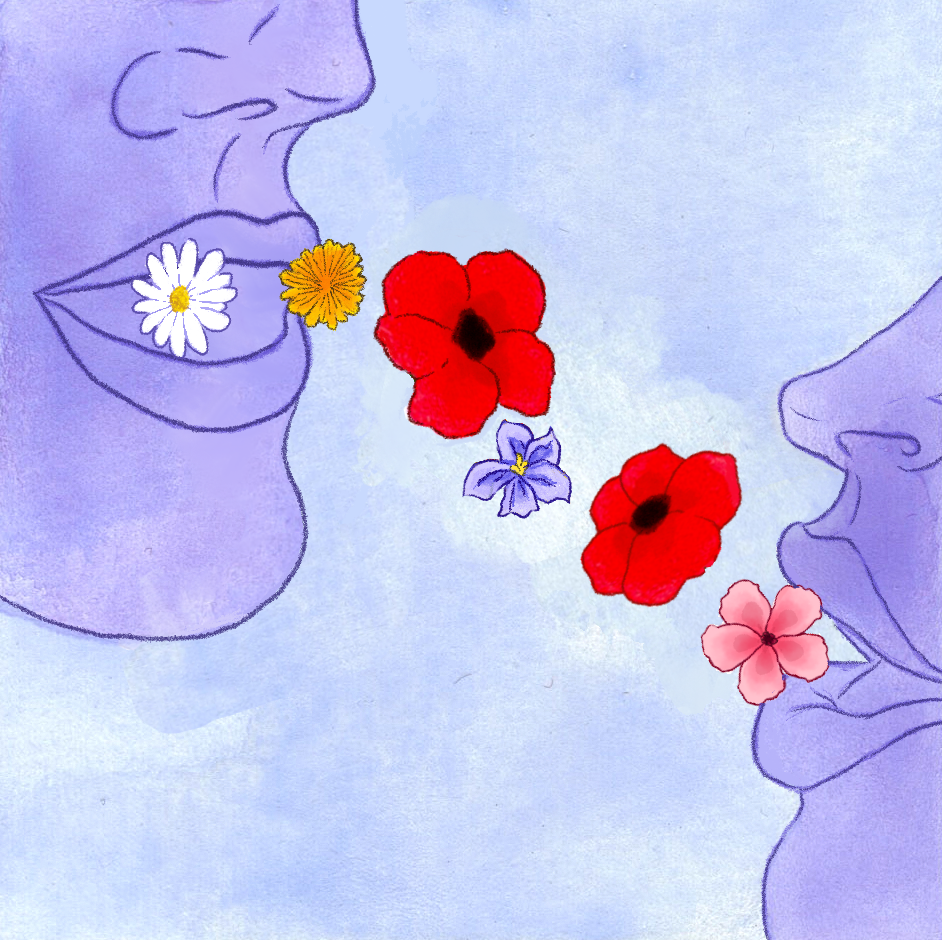
And maybe for the first time in a long time, you start to feel like a team again.
Why Do Couples Seek Therapy?
Some couples come to therapy on the brink, navigating betrayal, infidelity, or questioning whether to stay together. Others arrive simply feeling numb, like roommates more than partners, wondering what happened to the closeness they once shared.
You’re caught in the same argument loop and can’t find a way out.
Emotional or physical intimacy has changed, or disappeared entirely.
You feel unappreciated, unseen, or misunderstood.
Something big happened, like a new baby, a move, or a loss, and it changed the way you connect.
You love each other but struggle to communicate without tension.
You might be here because:
Whatever brought you here, it matters. And it’s worth paying attention to.
Who Is Couples Therapy For?
We work with couples of all kinds, newly dating, long-term, monogamous, open, queer, straight, or still figuring it out. Relationships are complex, and I hold space for that complexity with care and curiosity.
Our approach blends Emotionally Focused Therapy (EFT) and the Gottman Method with trauma-informed care and deep respect for each partner’s story. We move at a pace that’s intentional, not rushed, not scripted.

You’re here because something’s not working the way it used to. Whether you’re navigating ruptures or looking to deepen your connection, we’ll explore the unmet needs that shape your dynamic.
Often, each partner is carrying invisible narratives, old wounds, patterns of protection, expectations formed long before the relationship began.
What Skills Do Couples Learn in Therapy?
Understand how those narratives show up
Express individual needs with clarity
Respond to each other with empathy, even when you don’t agree
As we work together, we’ll draw from evidence-based practices but tailor the experience to meet your unique rhythm. Instead of approaching uncertainty with frustration, we’ll explore it, together, with honesty and hope.
How Does Couples Therapy Work?
1. Getting Started
We begin by understanding what’s bringing you in. Each partner has space to share their experience of the relationship and what feels stuck, painful, or confusing.
This creates a foundation of clarity before jumping into solutions.
2. Identifying Patterns
Together, we look at recurring cycles, argument loops, silence, or emotional distance. Rather than blaming one person, we focus on the dynamic between you.
The goal is to see the pattern clearly so you can step out of it.
3. Deepening Understanding
Using Emotionally Focused Therapy (EFT), the Gottman Method, and trauma-informed care, we explore what’s underneath surface conflict, including fear, resentment, anxiety, or unmet needs.
This helps shift conversations from reactive to intentional.
4. Practicing New Skills
You practice expressing needs with clarity, listening without escalating, and responding with empathy even during tension.
These tools are applied directly to real situations you’re navigating.
5. Integration and Ongoing Growth
As communication improves and trust rebuilds, therapy focuses on strengthening connection and reinforcing new relational habits.
Some couples come for a specific transition. Others continue to deepen their work over time.
Frequently Asked Questions
-
That’s completely normal. Often, one partner is more open than the other at first. We can talk about how to approach the conversation, and what makes therapy feel safe for both of you.
-
Therapy is a wonderful place to start or continue your healing process. The first 3-4 sessions are usually focused on getting to know you, your history, your presenting concerns and collaborate on a treatment plan. From there, we move at your own pace and start to unpack whatever you bring into session.
-
Absolutely. We provide inclusive, affirming therapy for all couples, queer, non-monogamous, culturally diverse, and everything in between.
-
In person and virtual sessionl are both available but are the in-person slots are limited. Please inquire if you’d like in person to see if any in-person sessions are open.
-
There is a 48 hour cancellation policy. f you cancel with less than 48 hours' notice, or do not show up for your session, you will be charged the full session fee. We will always do my best to try and reschedule you within the same work week to avoid this, but it may not always be possible.
-
American Psychological Association (APA) – Couple and Family Psychology
Overview of research and clinical practice in couple and family therapy.
https://www.apa.org/pubs/journals/cfp
How to Start
You don’t need to be in crisis to deserve care. You don’t need to have it all figured out to ask for help.
If you're feeling disconnected, uncertain, or simply ready to make space for your relationship again, couples therapy can help you move forward, with more clarity, more connection, and more choice.
We invite you to:
Book a free 15-minute phone consultation
Ask questions about how therapy works
Tell us a little about your creative world, or nothing at all, we'll meet you wherever you are
Based in Brooklyn, NY and Queens NY | Offering secure virtual sessions across New York
LGBTQIA+ affirming | Trauma-informed | Inclusive care for all relationships