

CBT-I Sleep Therapy in Brooklyn & Queens, NY
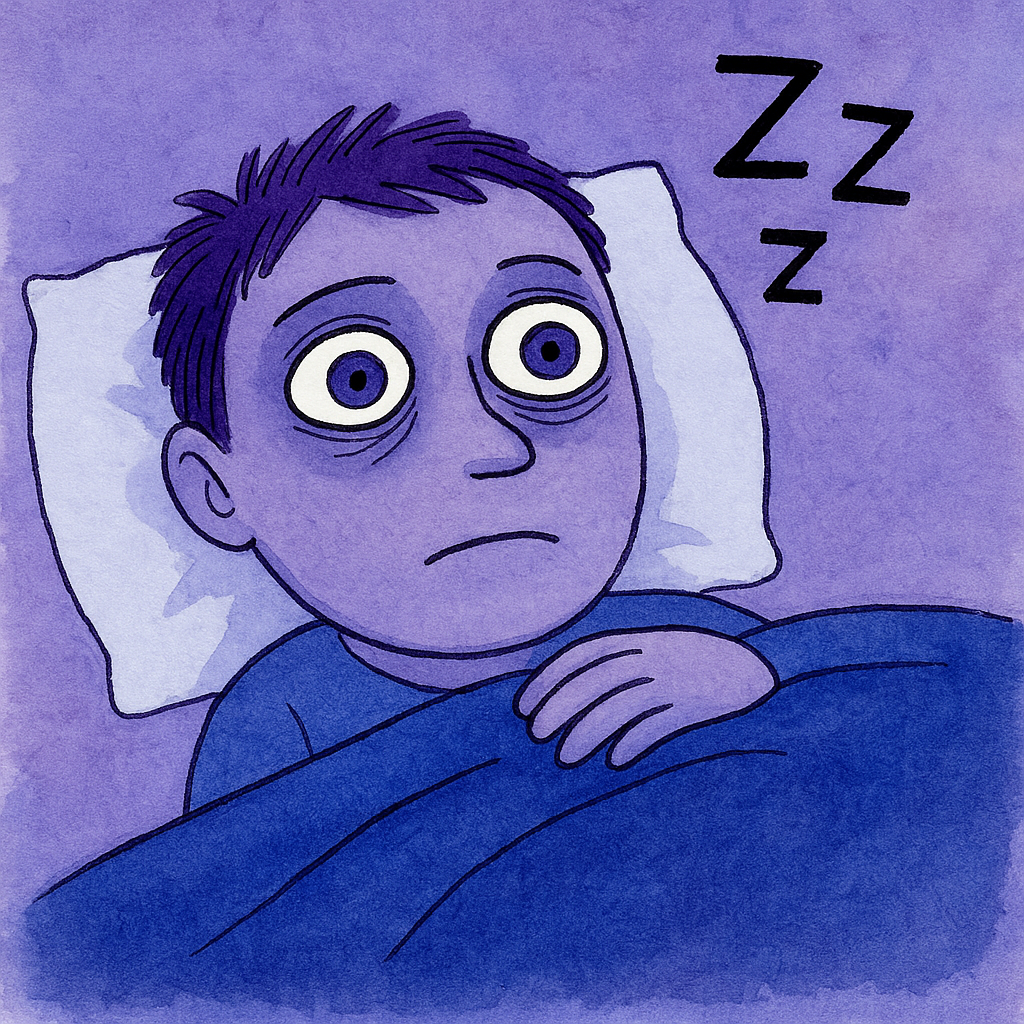
If your nights feel endless, if you dread getting into bed because you know you’ll just lie there awake, or if you’re exhausted but somehow can’t fall (or stay) asleep, this isn’t “just a bad week.”
It might be insomnia.
Insomnia can feel like your mind refusing to shut down, your body buzzing when you’re desperate for rest, or waking up multiple times with no idea why. For some, it shows up as pacing thoughts about tomorrow, fear that you’ll “never sleep again,” or the heaviness of going through the day on an empty tank.
Maybe you’ve tried everything — supplements, apps, routines, podcasts — and nothing sticks.
Maybe you’ve started to believe your “sleep is broken.”
You don’t have to keep doing this alone.
You don’t have to live at war with your own nights.
CBT-I is the gold-standard treatment for insomnia, backed by decades of research, often more effective than medication. It isn’t about forcing sleep it’s about helping your system remember how to settle, soften, and restore itself.
What Does Insomnia Feel Like?
Insomnia can be loud and overwhelming, or quiet and chronic. It shows up differently for everyone, but many people describe:
Lying awake for hours, even when exhausted
Waking up throughout the night
Panic or dread when bedtime approaches
Racing thoughts (“What if I can’t sleep again?”)
Feeling wired-tired — physically exhausted but mentally alert
Worrying all day about how you’ll sleep at night
Feeling like your sleep drive is “broken”
Snapping at loved ones or struggling to focus because you’re depleted
Fear that you’ll never get back to “normal” sleep
If any of this sounds familiar, you’re not failing your nervous system is stuck in a loop that CBT-I can help shift.
“Sleep comes naturally once the body feels safe; it’s the struggle to force safety that keeps us awake.”
How CBT-I Helps With Insomnia
Insomnia isn’t just a nighttime problem it’s a full-body pattern that affects your days, identity, confidence, & emotional world. CBT-I offers a structured, compassionate space to understand why your sleep is disrupted & how to repair it.
Why your sleep system became dysregulated
How anxiety, fear, and anticipation affect your nights
The role your circadian rhythm and sleep drive play
How your beliefs about sleep shape your patterns
How your body responds to nighttime stress (and how to calm it)
How to re-establish trust between your brain and your bed
In our work together, we’ll explore:

Our Approach to CBT-I Sleep Therapy
We take an informed, collaborative, and nonjudgmental approach that meets you right where you are.
Sleep diaries & thought tracking
To understand your patterns and the beliefs shaping your nights.
Time-in-bed restriction (sleep restriction therapy)
To rebuild your sleep efficiency and strengthen your natural sleep drive.
Stimulus control
To re-train your brain to associate the bed with sleep — not stress, scrolling, or wakefulness.
Psychoeducation about the sleep system
So you understand what’s happening in your brain and body — and why it’s fixable.
You don’t need perfect discipline. You don’t need to “try harder.” You just need a process that actually works.
Local and Virtual Sessions Available
We offer sleep therapy in person both at my Williamsburg office as well as my office in Ridgewood Queens, serving clients in neighborhoods like Bushwick, Park Slope, Brooklyn, and Crown Heights.
If you’re not able to make the commute or prefer the comfort of your own space, We also offer secure telehealth therapy throughout New York State.
Why MindfulSelf Therapy
Our approach is informed, integrative, and nonjudgmental. We understand that creatives often process the world with heightened sensitivity, deep emotional nuance, and unique internal rhythms.
Psychodynamic therapy to explore your inner world and self-narratives
Mindfulness-based practices to help you reconnect to the present moment
Somatic work to support nervous system balance and embodied healing
Relational therapy to address how connection (or disconnection) is shaping your sense of safety and belonging
What we will draw from:
We’re not just therapists, we’re collaborators in your self-discovery, here to support your voice, vitality, and creative integrity.

FAQs About Insomnia and CBT-I
Do I need a diagnosis to start CBT-I?
No. If sleep is impacting your life, that’s enough.
What if I’ve tried everything already?
Most people who start CBT-I have tried countless sleep hacks. CBT-I works differently — it’s systematic, evidence-based, and addresses the underlying loops, not just symptoms.
Can CBT-I help with nighttime panic or sleep anxiety?
Yes. A major part of CBT-I is reducing the anxiety that keeps your system alert at night.
How long does CBT-I take?
Most people begin noticing changes within the first few weeks. A full CBT-I protocol typically spans 6–8 sessions.
How to Start
If you’ve been living with insomnia for so long that it feels like your “normal,” you deserve to know it doesn’t have to stay this way.
CBT-I sleep therapy can help you rebuild your confidence, your rhythms, and your sense of calm.
We invite you to:
Book a free 15-minute phone consultation
Ask questions about how therapy works
Tell us a little about your creative world, or nothing at all, we'll meet you wherever you are