A Simple Thought Record: How to Slow Down Anxious Thinking (and Actually Change It)
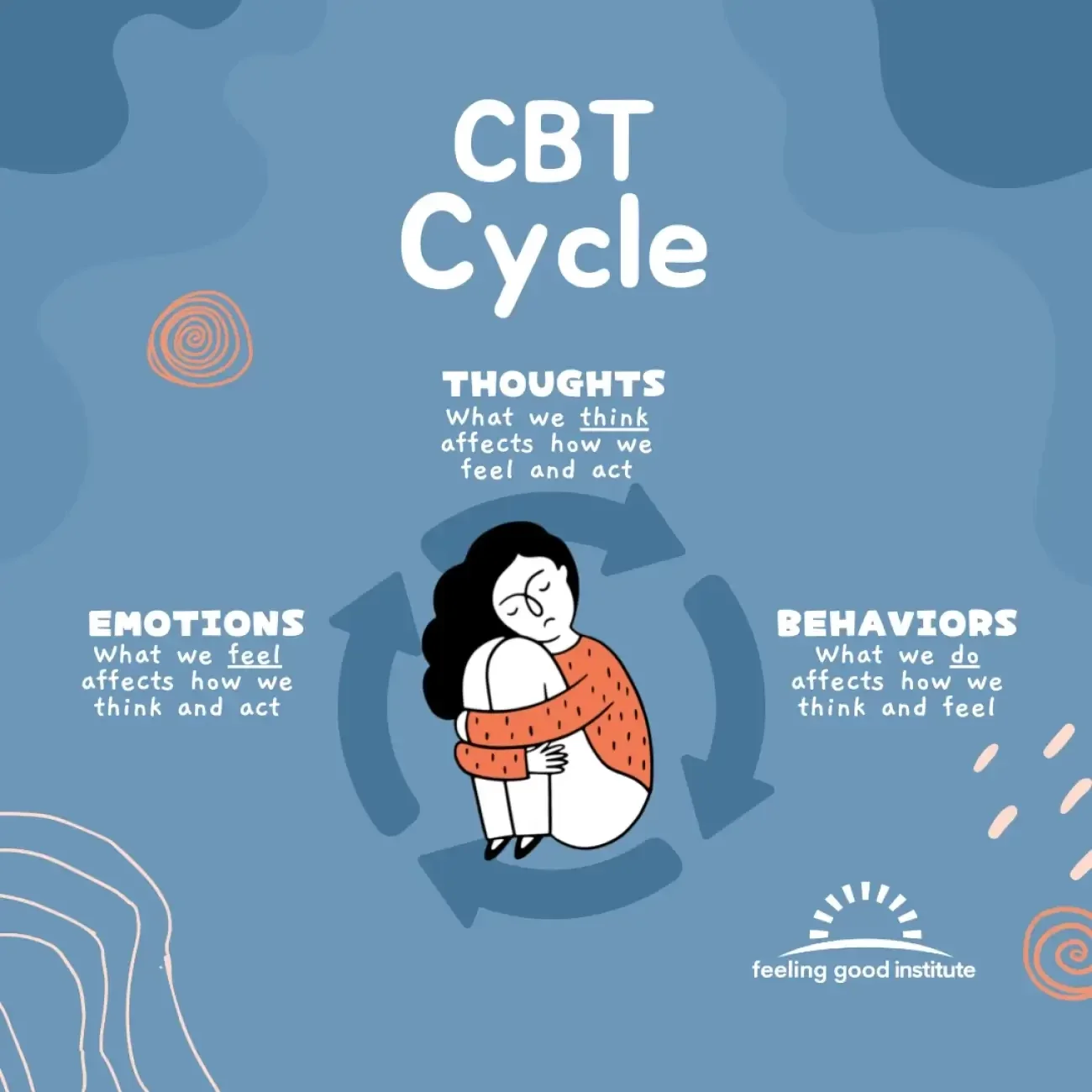
If you’ve ever felt anxiety, shame, or frustration hit out of nowhere, you’re not alone. It feels instant but there’s actually a process happening underneath it:
Situation → Thought → Feeling → Reaction
Most people skip right over the “thought” part. We feel something uncomfortable and assume it must be true. A simple thought record, a core tool from Cognitive Behavioral Therapy, helps you slow that process down so you can actually see what your mind is doing.
Why Thought Records Work
Thought records are powerful because they interrupt automatic thinking.
Instead of:
“I feel anxious → something must be wrong”
You start asking:
“What exactly am I telling myself right now?”
This shift creates space and that space is where change happens.
The Problem: Your Brain Isn’t Always Accurate
Our minds are incredibly fast and not always reliable. When you’re stressed, your thinking can get distorted in predictable ways:
All-or-nothing thinking
Catastrophizing
Mind reading
Overgeneralizing
These are called cognitive distortions, and they can make a small situation feel like a life-defining crisis.
A thought record doesn’t try to force positivity, it helps you reality-test those thoughts.
How to Use a Simple Thought Record
Here’s a streamlined version you can start using immediately:
Situation: What objectively happened? (Just the facts—no interpretation.)
Emotion: What are you feeling? Rate the intensity (0–10). Bonus: Where do you feel it in your body?
Automatic Thoughts: What story is your mind telling?
Evidence For the Thought (Be objective. What supports it?)
Evidence Against the Thought (Also objective. What doesn’t support it?)
Alternative Thought Now create something more balancednot fake positive, just realistic.
The real shift happens when you generate alternative thoughts. This is where a bit of humor, what I often call humorous diffusion, can be surprisingly powerful. By intentionally exaggerating your thought in an overly pessimistic or overly optimistic direction, you create distance from it. “I’m going to be late, so I’ll never get a job and will die penniless with bad hair” is clearly absurd, and that’s the point. When you can laugh at the thought, you’re no longer fully inside it.
That distance matters. It gives you room to land on something more balanced and believable: a thought that acknowledges the stress without turning it into a life sentence.
Over time, this practice builds psychological flexibility. You’re not trying to eliminate negative thoughts, you’re learning not to take them at face value. The combination of structure (the thought record) and lightness (humor) helps you relate to your mind differently: with curiosity instead of fear, and with a little less seriousness when your brain inevitably gets dramatic.
Common Cognitive Distortions to Watch For
All-or-Nothing Thinking: “If I’m not perfect, I’m a failure.”
Overgeneralization: “This always happens to me.”
Mental Filter: Only seeing the negative
Discounting Positives: “That doesn’t count”
Mind Reading: “They think I’m incompetent”
Fortune Telling: “This will go badly”
Catastrophizing: Worst-case scenario thinking
Emotional Reasoning: “I feel it, so it must be true”
“Should” Statements: Harsh internal rules
Labeling: “I’m a failure” instead of “I made a mistake”
Personalization: Taking excessive responsibility
Frequently Asked Questions About Thought Records & CBT
What is a thought record? A thought record is a structured tool used in Cognitive Behavioral Therapy to help you slow down and examine your internal experience.
How do thought records help with anxiety and overthinking?
Thought records interrupt the fast, often invisible chain of: situation → thought → feeling → reaction
When you write things down, you: catch automatic thoughts, reduce emotional intensity and create space before reacting. This helps shift you out of reactivity and into intentional response.
What’s the difference between a thought record and overthinking?
Overthinking keeps you looping inside the same thought. A thought record helps you step outside of it. Instead of spiraling, you: externalize the thought, evaluate it objectively and generate a more balanced perspective. It turns rumination into something structured and useful.
Do thought records actually change how I feel?
Yes, often more quickly than people expect. By identifying and challenging unhelpful thinking patterns, you can: lower emotional intensity, feel more grounded and shift from panic to manageable stress. Even a small shift (like distress going from a 7 to a 4) can make a situation feel more workable.
Therapy for Anxiety, Overthinking, and Emotional Regulation
At Mindful Self Therapy, we help clients use tools like thought records, cognitive restructuring, and nervous system awareness to better understand their internal experience and reduce overwhelm.
If you’re struggling with anxiety, overthinking, or feeling stuck in your thoughts, therapy can help you slow things down and develop tools that actually work in real life.
If you're looking for therapy in Brooklyn, NYC, or across New York State, we invite you to reach out for a consultation.