Why Trying to “Catch Up” on Sleep Usually Doesn’t Work
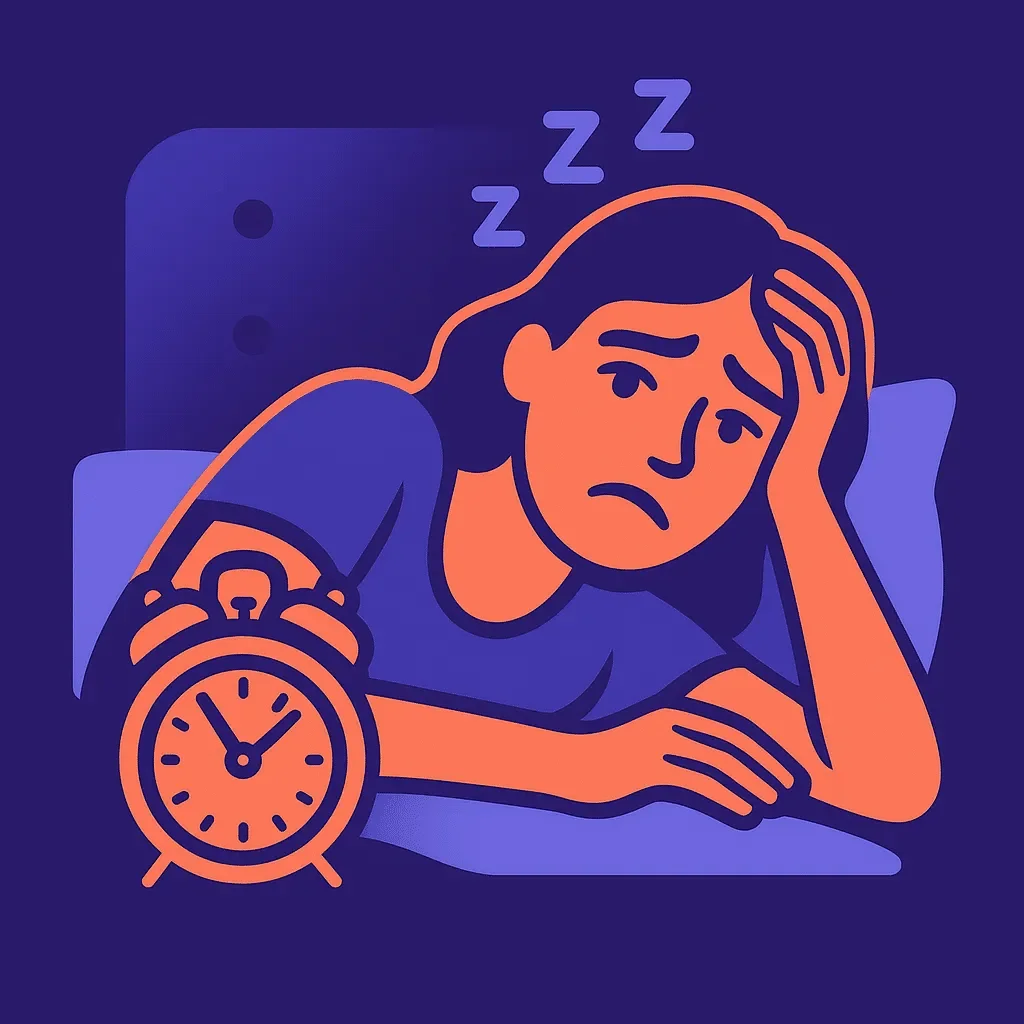
After a bad night of sleep, most people do the same thing: try to recover it.
Sleep in late. Nap during the day. Go to bed extra early. Cancel plans and spend more time in bed hoping your body will finally crash.
It makes sense. You feel exhausted, foggy, and emotionally drained. Your brain is trying to compensate.
But this is one of the frustrating things about chronic insomnia: the harder people try to catch up on sleep, the more disrupted their sleep often becomes.
This is something we talk about often in Cognitive Behavioral Therapy for Insomnia (CBT-I), one of the most effective evidence-based treatments for chronic sleep problems.
From a CBT-I perspective, insomnia is not usually caused by one bad night of sleep. It’s often maintained by the patterns people naturally fall into while trying to fix it.
One of the biggest patterns involves something called sleep pressure.
Understanding Sleep Pressure
Your brain builds a natural drive for sleep the longer you stay awake. Think of it like hunger. If you snack all day, you may not feel hungry at dinner. Sleep works similarly. The longer you’re awake, the more your brain builds pressure for deep, restorative sleep later that night.
When someone has insomnia, they often try to compensate by:
sleeping late on weekends
taking long naps
spending extra time in bed
going to sleep much earlier than usual
The problem is that these strategies can reduce the brain’s natural sleep drive. Then bedtime comes and they feel exhausted… but still can’t fall asleep. That cycle can repeat for months or even years.
Why Sleeping In Can Make Insomnia Worse
Many people struggling with insomnia experience what’s called “social jetlag.” This happens when your sleep schedule shifts dramatically between weekdays and weekends. For example:
waking up at 6:30 AM during the workweek
sleeping until 11:00 AM on weekends
Even without traveling, your internal body clock starts becoming dysregulated in a way that resembles jet lag. This is why many people notice:
trouble sleeping Sunday night
feeling groggy Monday morning
feeling tired all day but awake at night
needing more caffeine just to function
feeling like their sleep schedule is “all over the place”
One of the core components of CBT-I treatment is stabilizing wake-up time, even after a poor night of sleep. It sounds simple, but consistency is often what helps rebuild healthy sleep rhythms.
Can You Actually “Catch Up” on Sleep?
A common misconception about sleep is the idea that it can be banked or fully recovered later. People often think: “I only slept five hours all week, so I’ll just sleep twelve hours this weekend.”
Unfortunately, sleep doesn’t work like a savings account.
Oversleeping may help temporarily, but it can also weaken the sleep pressure your brain needs the following night. That’s one reason insomnia can become such a frustrating loop:
poor sleep
trying to catch up on sleep
lower sleep drive
another bad night
increased anxiety about sleep
Over time, many people begin fighting with bedtime itself.
How CBT-I Helps Break the Insomnia Cycle
Short-term CBT-I therapy focuses on helping the body relearn how to sleep naturally instead of forcing sleep. Treatment often includes:
reducing time spent awake in bed
creating a more consistent sleep schedule
strengthening the body’s circadian rhythm
reducing anxiety around sleep
rebuilding trust in the body’s ability to sleep
The goal is not perfect sleep. Most people still have occasional rough nights. The goal is building more reliable sleep and getting out of the constant struggle with bedtime.
For many people with insomnia, that shift alone can make an enormous difference.
Frequently Asked Questions About Insomnia & CBT-I
What is compulsive phone use?
CBT-I (Cognitive Behavioral Therapy for Insomnia) is a structured, evidence-based treatment for chronic insomnia. It focuses on changing the behaviors and thought patterns that keep sleep problems going.
Why does sleeping in make insomnia worse?
Sleeping in can reduce your brain’s natural sleep pressure, making it harder to feel sleepy the next night. Irregular sleep schedules can also disrupt your circadian rhythm.Can you catch up on sleep during the weekend?
You may feel temporarily better after extra sleep, but oversleeping can sometimes worsen insomnia by disrupting your sleep drive and sleep schedule.What is sleep pressure?
Sleep pressure is the body’s biological drive for sleep that builds the longer you stay awake. Strong sleep pressure helps promote deeper and more consolidated sleep at night.What is social jetlag?
Social jetlag happens when your sleep schedule changes significantly between weekdays and weekends. This can confuse the body’s internal clock and contribute to insomnia symptoms.How long does CBT-I take to work?
CBT-I is typically a short-term treatment. Many people begin noticing improvements within several weeks, though the timeline varies depending on the person and the severity of insomnia.
CBT-I Therapy for Insomnia in NYC & NYS
At Mindful Self Therapy, we help clients struggling with chronic insomnia, sleep anxiety, and inconsistent sleep patterns using evidence-based CBT-I treatment.
If you’re in New York City, Brooklyn, or anywhere in New York State and feeling stuck in the cycle of poor sleep and trying to “catch up,” therapy can help you rebuild a healthier relationship with sleep and bedtime.